This is what I learned, and this is how I messed up sports photography.
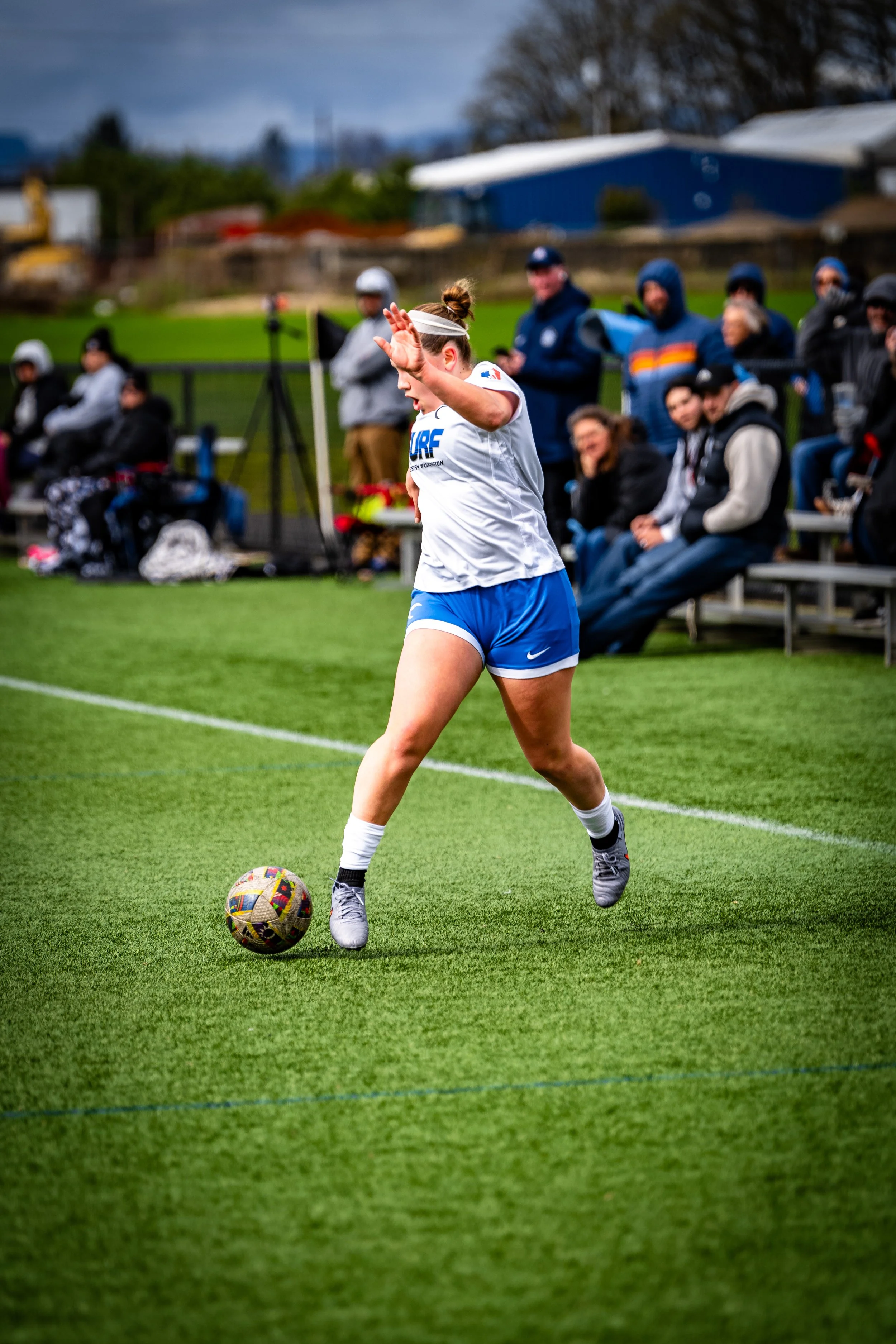
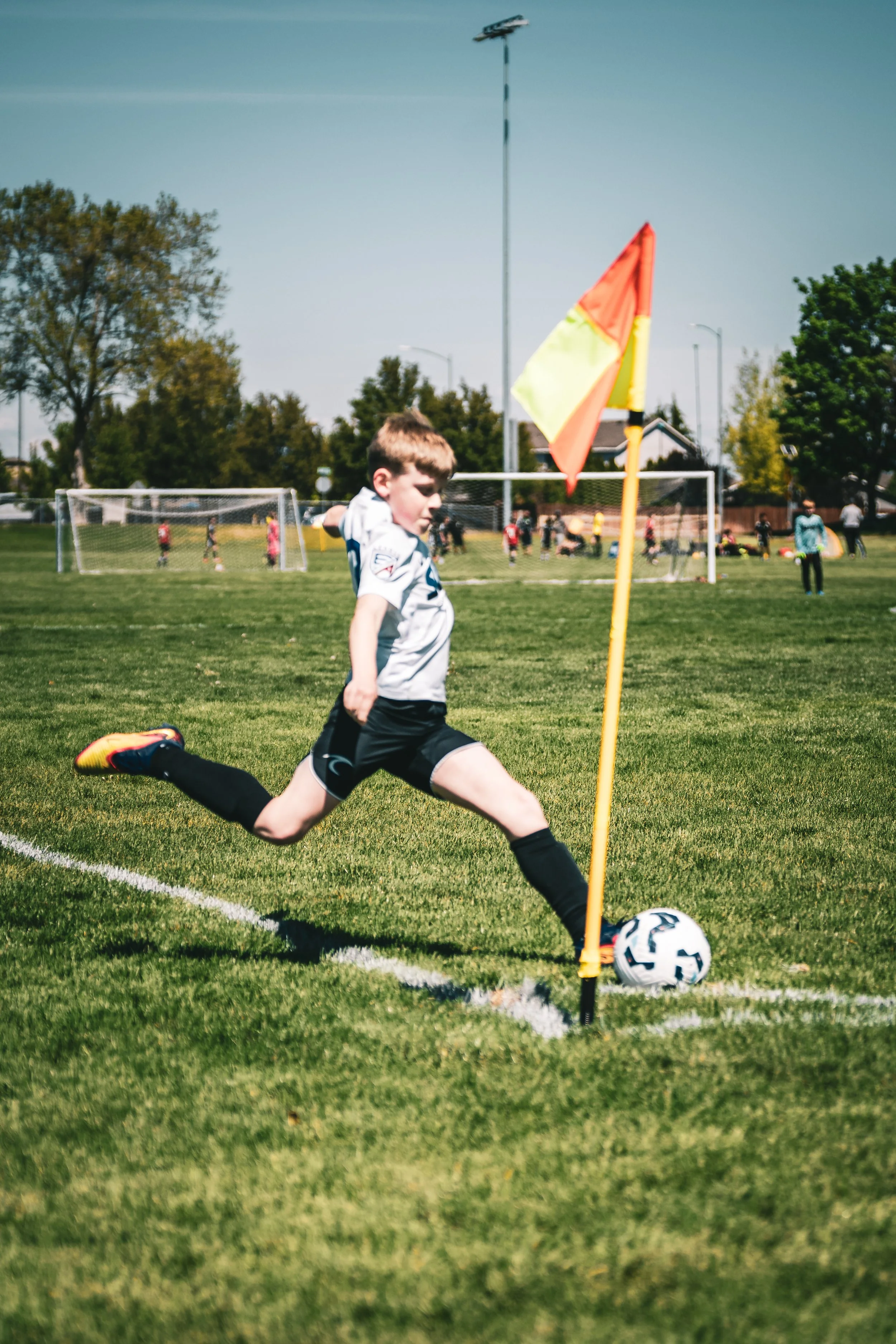
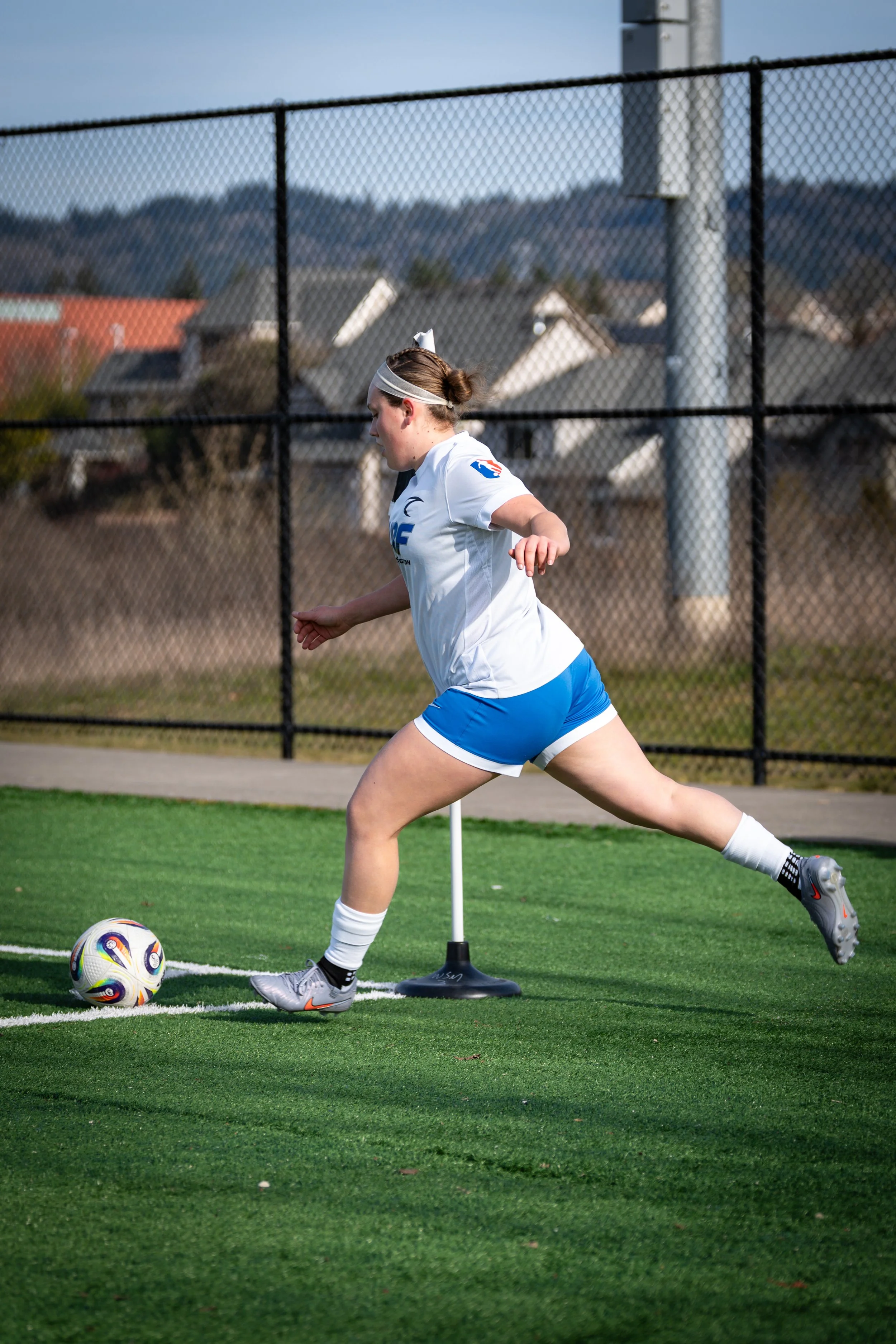
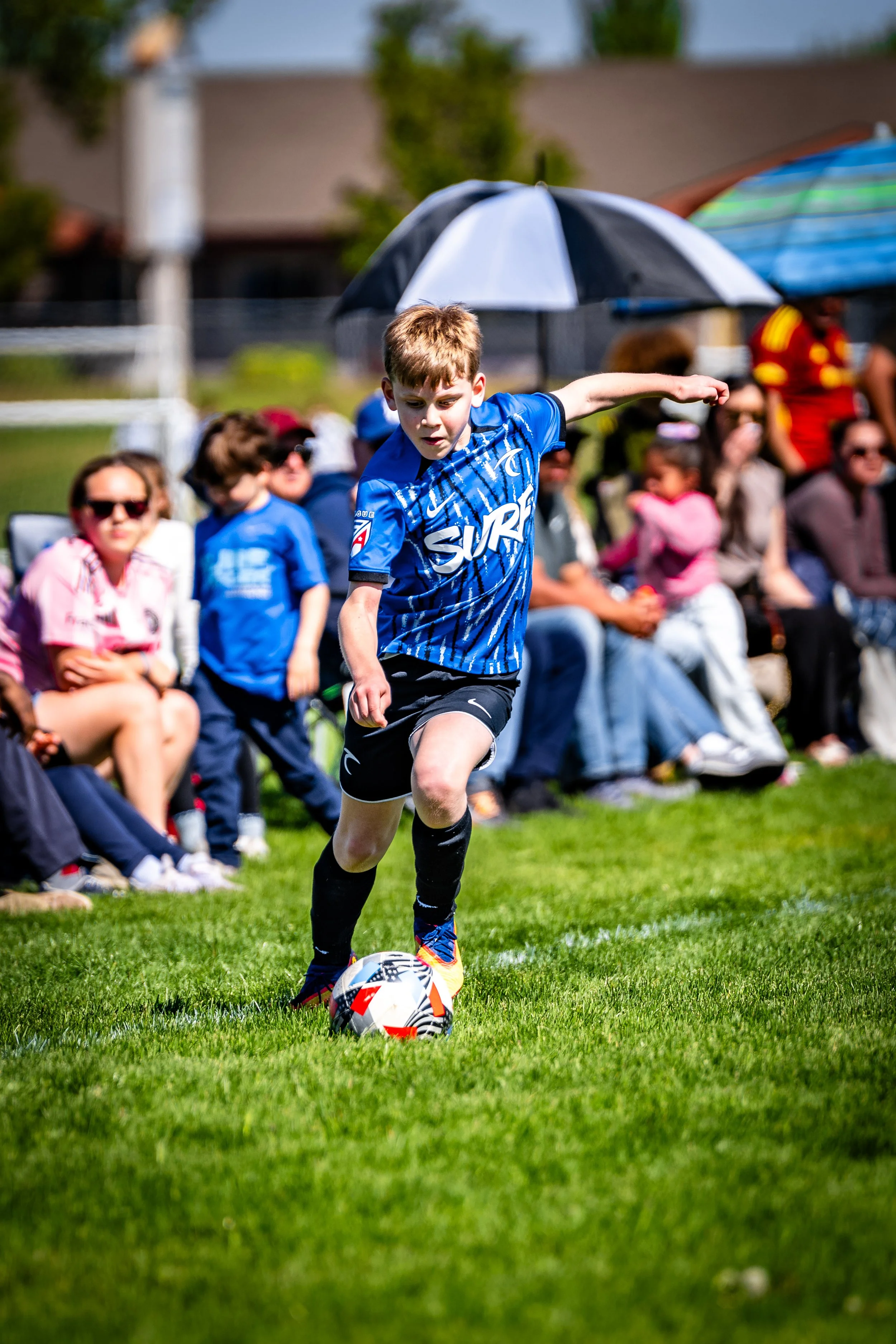
Over the last two years, I've shot a lot of soccer. My two kids, Camille (16) and Théo (10), play competitively, and I cannot be more proud of them. I started taking pictures for two reasons. First, because I love seeing them play. Second, because as a former semi-competitive basketball player, I get agitated on the sideline. Like, full jersey apparel for a U7 game where six-year-old girls are picking up daisies on the field, agitated. Pictures keep my hands busy and my mouth shut.
Here's what I learned, the gear I use, and the workflow I've settled into.
1. Don't Forget the SD Card
It looks dumb. It is dumb. But the more your photography ramps up, the easier it is to leave a card in the reader at home after an editing session.
It happened to me once. I missed an entire game over it, and I was furious at myself.
Some cameras have internal storage now and that's fine, but my approach is simpler: I keep a spare SD or CFexpress card (I'm a Sony shooter) permanently in the backpack. It lives there. It doesn't move.
2. Always Carry a Spare Battery
You don't pick the conditions. I've shot games in the snow where the battery drained 2x or 3x faster than normal, especially on older bodies, used batteries, or third-party batteries.
Missing a penalty kick because you ran out of juice is the dumbest possible failure. Invest in first-party Sony batteries. They're not cheap, but they perform.
I also carry one or two Viltrox USB-C batteries and a power bank as a safety net, so I can recharge between halves if needed. That said, newer Sony bodies are great on battery. My A7V can shoot four or five games on a charge without breaking a sweat.
3. Glass Matters (More Than the Body)
This is the one space where you do not pick the conditions. For portrait or street, you have time to compose. In sports, you miss the shot in a fraction of a second. Pre-Capture, 120fps, all that helps, but more importantly, you need at least 10+ fps to shoot soccer reliably.
For Sony shooters, that often means buying first-party glass used rather than going new third-party. My favorite sports lens, by far, is the 70-200mm f/2.8 GM II. It's a workhorse. The combo of A7V + 70-200 GM II is incredible.
I add a 1.4x teleconverter when I need the reach. A word of warning: don't buy the 2x. It's not as sharp. Btw, I'm selling mine — it might work for birds, but it doesn't work on human birds on a soccer field. Don't be like me. The 1.4x is the right call.
I also always carry a second body, the A7C II, usually with a wide angle. This one is for the rare moments when my daughter's coach yells at me to take a team photo. I always end up enjoying these pictures more than I expect.
4. Lightroom Is a Beast (And Yes, You Pay the Adobe Tax)
For a long time Lightroom intimidated me. The more time you invest into your workflow, the better the output. There's no shortcut.
Yes, you're paying a subscription for this shit. Adobe products are way too expensive for what they are. I've tinkered with Luminar Neo (slow at the time, may be better now). DaVinci's Resolve has a Lightroom alternative that isn't quite there yet. As soon as there's a credible cheaper option, I'll switch without hesitation. I'm hoping Apple steps up.
Until then: Lightroom.
5. Presets Save Time, but Tune Them Down
I rely on a couple of presets for soccer. Fro Skittles has been a workhorse for me, especially with grass. Big shout out to the Fro for that one. Worth every single penny.
But I always tune it down. At full strength it's too aggressive. I dial it back, then layer some adaptive lighting to lift the faces. That gives me a result I'm consistently happy with — and parents, coaches, and players are happy with it too.
6. The Light Will Suck. Plan for It.
You will shoot in full bright sun. You will shoot under harsh stadium lights. I've shot games in Tacoma where the rain made the light absolutely disgusting.
Two things to know:
A 1.4x teleconverter costs you sharpness. You won't be tack sharp. In dark conditions I take it off and live with less reach.
I am desperately waiting for the Sony 100-400 f/4.5. That lens would change my workflow. Please, dear Sony gods, make that happen — and please don't let my wife know I'm buying one. Until then, the 70-200 f/2.8 (no teleconverter) is what I lean on for night games, especially in harsh conditions.
7. My Settings (Manual, Fast, Wide Open)
There's no perfect setting, but here's where I live:
Manual mode, always.
Highest shutter speed I can get away with.
Lowest ISO the light allows.
f/2.8 wide open on the 70-200. I know it's marginally sharper one stop down, but I haven't seen the difference in real shots, and the half-stop of light is worth it.
With the 1.4x teleconverter, that becomes f/4.0.
Minimum ISO 600-800 on dark nights. At ISO 600 I usually drop the teleconverter — too blurry at f/4.
Switch between wide tracking and spot tracking depending on the play. Nothing is perfect — play with it.
Map a lens button to toggle Full Frame ↔ APS-C crop. APS-C gives you instant extra reach when you need it; Full Frame leaves you the headroom to crop in post.
8. Embrace the Blur
There's a style I'm working on right now: the player tack-sharp, but legs and arms slightly blurred to convey speed. It's not where I want it yet, but it's a direction I'm pushing toward. Easy setup: drop the shutter to 1/4 or 1/8, lock focus on the face, and pray for the best.
Worth experimenting with. Frozen action is great. Motion is sometimes better.
9. Curate. Don't Spray.
I used to deliver hundreds of photos per game. Now I send 40 to 50.
The parents prefer it. The keepers stand out. Spraying out every burst frame dilutes the good ones. Pick the best, deliver the best.
My workflow: I shoot RAW (like the Fro t-shirt says) and always edit — straight out of camera rarely cuts it for me. I cull in FastRawViewer (the first pass of selecting which pictures are worth keeping), rate the ones I'll edit with 5 stars, then load everything into Google Drive and off to the races.
10. Bonus: The Player Card Prompt
I built a prompt my daughter uses to generate professional-looking player cards from her game photos. If anyone wants it, comment below or DM me and I'll send it over.
Why I Actually Do This
Honestly? I shoot to keep myself from being that parent on the sideline. It worked. The girls have been happy with the pictures. The coach has been happy. I'm calmer. Everybody wins.
And here's what I want every soccer parent to remember: it's a game. You are not playing the World Cup. There's a strong chance that if you're reading this, you will not win the World Cup with your kid. So go watch a World Cup game, root for them, root for the team, take pictures — but on the sideline, root, don't coach. If you want to coach, be a coach.
Make them better kids by playing sports. Teach them to keep their head up when they lose, and put their head down to do the work to win the next one.
That's what matters to me. Sometimes you win. Sometimes you lose. As long as I see a smile on their face, I'm happy. And my way of putting that smile there, win or lose, is to share my pictures with them.